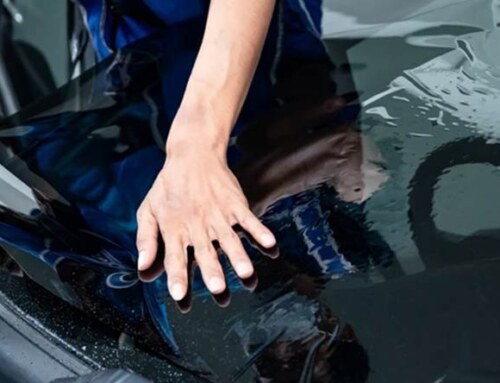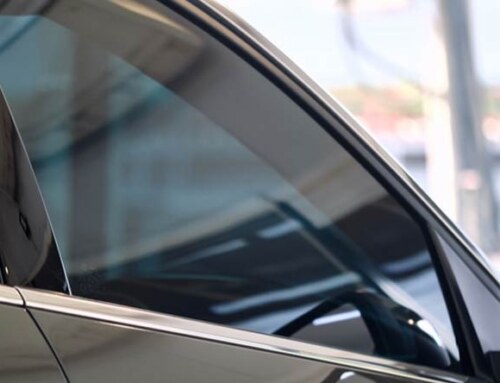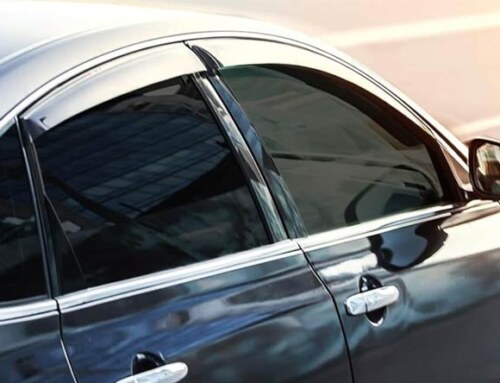

Window tinting is a simple and effective way to add comfort, conserve energy, and provide privacy. Tinted windows offer numerous advantages for your home, car, or business. Following is a summary of the benefits, types of window tints, and a detailed cost analysis to help you make the right choice.
Benefits of Window Tinting
Window tinting offers various benefits that make it a worthwhile investment. Here are some key advantages:
1. Energy Efficiency
Tinted windows help reduce the sun’s heat, keeping indoor spaces cooler. This leads to lower air conditioning usage and reduced energy bills.
2. UV Protection
High-quality window films block up to 99% of harmful UV rays. This protects your skin from sun damage and prevents furniture, carpets, and artwork from fading.
3. Glare Reduction
Too much sunlight can cause glare, making it challenging to work on screens or drive safely. Window tints reduce glare, providing a more comfortable environment.
4. Increased Privacy
Window films prevent outsiders from seeing inside, adding a layer of privacy for homes, offices, and vehicles. Different tint levels offer various privacy options.
5. Enhanced Security
Security window films make glass stronger, preventing it from shattering easily. These films hold shattered pieces together in case of an accident or break-in attempt, reducing injury risks.
6. Improved Aesthetic Appeal
Tinted windows give buildings and vehicles a sleek, modern look. Decorative films also add stylish designs to office spaces and homes.
Types of Window Tints
There are several types of window tint films, each offering different benefits. Here’s a breakdown of the most common types:
1. Dyed Window Film
- Features: Made with multiple layers of dye to catch solar heat.
- Advantages: Low-cost, reduces glare, and enhances privacy.
The cons are that it can fade over time and isn’t as effective at heat reduction as in other films.
2. Metalized Window Film
- Features: Contains tiny metal particles that bounce back UV and heat rays.
- Pros: Very long-lasting, reinforces glass, and exceptionally reduces glare.
- Cons: Can interfere with electronic signals, causing windows to have a slightly reflective appearance.
3. Carbon Window Film
- Features: Uses carbon particles to reflect heat and UV radiation.
- Pros: Won’t fade, cuts the heat nicely, and provides a nice matte finish.
- Cons: More expensive than dyed films.
4. Ceramic Window Film
- Features: Composed of ceramic particles that inhibit infrared light, enabling visibility.
- Benefits: Rejection of high temperature, excellent UV protection, and does not disrupt signals.
- Disadvantages: The most expensive solution, but has the best performance.
5. Hybrid Window Film
- Features: Merges dyed and metalized film advantages.
- Advantages: Reduces glare, offers heat rejection, and doesn’t fade quickly.
- Cons: May have a slightly reflective appearance and moderate price.
Cost Breakdown of Window Tinting
The cost of window tinting depends on factors such as the type of film, size of the windows, and professional installation fees. Here’s a rough cost guide:
1. Automotive Window Tinting Costs
- Basic Dyed Film: $100 – $300 for the entire car.
- Carbon Film: $200 – $500 for better heat and UV protection.
- Ceramic Film: $400 – $800 for top-tier performance.
2. Residential Window Tinting Costs
- Standard Dyed Film: $5 – $8 per square foot.
- Metalized or Carbon Film: $7 – $12 per square foot.
- Ceramic Film: $10 – $15 per square foot.
3. Commercial Window Tinting Costs
- Basic Films: $6 – $10 per square foot.
- Security Films: $10 – $20 per square foot for added protection.
- Specialty Decorative Films: $8 – $20 per square foot depending on design and features.
4. Additional Installation Costs
- Professional installation: $50 – $100 per hour, depending on complexity.
- Removal of old tint: $2 – $5 per square foot.
- Custom designs or high-end films: Prices vary based on requirements.
Choosing the Right Window Tint
Here are some key factors to consider when selecting the best window tint:
1. Purpose
- For energy savings: Choose ceramic or carbon films.
- For privacy: Darker tints or reflective films work best.
- For security: Opt for thick security films.
2. Local Tinting Laws
Different states and countries have regulations on how dark window tints can be. Always check legal requirements before choosing a tint.
3. Budget Considerations
While ceramic films offer the best performance, they are more expensive. If you’re on a budget, carbon or metalized films balance cost and benefits.
4. Professional vs. DIY Installation
- Professional installation: Ensures better results and warranty coverage.
- DIY installation: Cheaper but can lead to bubbles and peeling if not applied correctly.
Maintenance and Care Tips
Proper maintenance extends the life of window tints. Follow these simple tips:
- Wait before cleaning: Avoid washing tinted windows for at least a week after installation.
- Use soft materials: Clean with a microfiber cloth and mild soap.
- Avoid sharp tools: Avoid razors or abrasive sponges, which can damage the film.
- Check for bubbles: If bubbles appear, consult a professional to fix them.
Frequently Asked Questions (FAQs)
1. How long does window tint last?
Most high-quality tints last between 10–15 years, depending on exposure to sunlight and maintenance.
2. Can window tint be removed?
It can be removed professionally or with a heat gun and soapy water. However, improper removal can damage the glass.
3. Is window tinting legal everywhere?
Different regions have laws regulating tint darkness and reflectivity, especially for cars. Always check local regulations before applying tint.
4. Will tinting windows make my room or car too dark?
Not necessarily. Lighter tints that block heat and UV rays without making the space too dark are available.
5. Can window tint reduce my energy bills?
Yes, window tint keeps indoor temperatures stable by keeping heat out, lowering the need for air conditioning and heating.
Conclusion
Window tinting has numerous advantages, such as energy saving, protection from UV rays, privacy, and enhanced security. As there are several types of window tinting, selecting the appropriate one is necessary depending upon your requirements and budget. With knowledge about the expenses and maintenance needs, you can