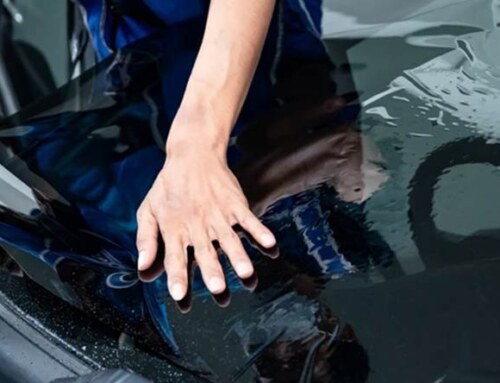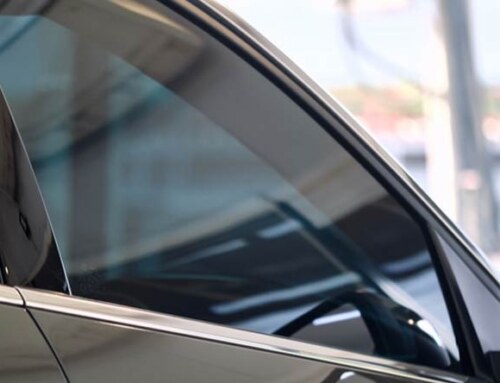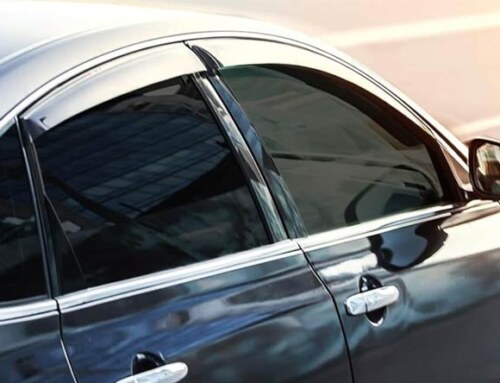

Window tinting is a popular way to improve the appearance, comfort, and efficiency of your home, car, or business. It reduces glare, blocks harmful UV rays, and provides privacy while enhancing energy efficiency. This guide will explain everything you need to know about window tinting, from its benefits to the available types.
What is Window Tinting?
Window tinting involves applying a thin film to the inside of windows. This film can be clear, colored, or reflective and is designed to reduce heat, glare, and UV radiation. It is commonly used in homes, offices, and vehicles.
Benefits of Window Tinting
1. Blocks Harmful UV Rays
Window tinting protects against up to 99% of harmful UV rays, which can damage skin and fade furniture, carpets, and car interiors.
2. Reduces Heat and Glare
Tinted windows keep indoor spaces cooler by blocking excess heat from the sun, reducing the need for air conditioning. They also minimize glare, making it easier to see screens and reducing eye strain.
3. Enhances Privacy and Security
Dark or reflective window tints prevent outsiders from looking in, adding privacy for homes, offices, and cars. Security films also make glass more resistant to breakage.
4. Improves Energy Efficiency
Tinted windows help maintain indoor temperatures by reducing heat transfer, leading to lower energy bills.
5. Enhances Aesthetic Appeal
Window tints come in different shades and finishes, providing a sleek and modern look to homes, offices, and vehicles.
Types of Window Tinting Films
1. Dyed Window Film
- Blocks some sunlight and heat
- Affordable option
- Offers privacy but can fade over time
2. Metalized Window Film
- Contains tiny metallic particles that reflect heat and UV rays
- Increases window strength
- May interfere with electronic signals
3. Carbon Window Film
- Offers better heat reduction than dyed films
- Won’t fade over time
- Helps insulate buildings and vehicles
4. Ceramic Window Film
- Highest quality and durability
- Blocks UV rays and heat without interfering with electronics
- More expensive but highly effective
5. Hybrid Window Film
- Combines dyed and metalized films for a balanced solution
- Reduces heat and glare while maintaining durability
- Less reflective than full metalized films
How to Choose the Right Window Tint
When selecting window tint, consider the following factors:
- Purpose: Are you seeking heat reduction, privacy, security, or aesthetics?
- Legal Restrictions: Different states and countries have laws regulating how dark car window tints can be.
- Budget: Higher-quality films last longer but may cost more upfront.
- Warranty: Choose tints with a warranty to ensure long-term benefits.
Installation Process
Professional vs. DIY Installation
- Professional Installation: Ensures a flawless finish, warranty protection, and long-lasting results.
- DIY Installation: More affordable but requires skill and patience to avoid bubbles and peeling.
Step-by-Step Installation Process
- Clean the Windows: Remove dirt and dust for a smooth application.
- Measure and Cut the Film: Ensure proper sizing for each window.
- Apply the Film: Use a squeegee to smooth out air bubbles.
- Let It Cure: Allow the film to set for a few days before rolling down car windows or cleaning the surface.
Maintenance and Care
- Clean tinted windows with mild soap and a soft cloth.
- Avoid ammonia-based cleaners that can damage the film.
- Inspect for peeling or bubbling and address issues promptly.
Frequently Asked Questions (FAQs)
1. Is window tinting legal?
Laws vary by location, so check local regulations before applying tint, especially for cars.
2. How long does window tint last?
High-quality films can last 10–15 years with proper maintenance.
3. Can window tint be removed?
Yes, tint can be removed using heat or specialized solutions without damaging the glass.
4. Does window tint affect visibility at night?
Darker tints can reduce visibility in low-light conditions. Choose a tint that balances privacy with safe visibility.
5. Can window tint be applied to any glass?
Most glass surfaces can be tinted, but memorable films may be needed for certain glass types.
Conclusion
Window tinting offers many benefits, from reducing heat and glare to improving security and aesthetics. Choosing the correct type of tint depends on your needs, budget, and local laws. Investing in quality window tint can enhance comfort and efficiency for homes, businesses, or vehicles. Please go ahead and explore different options and consult a professional if you need one.