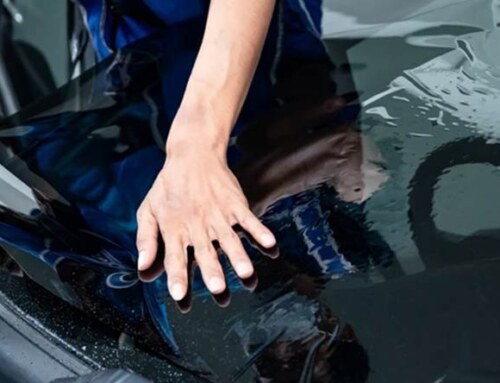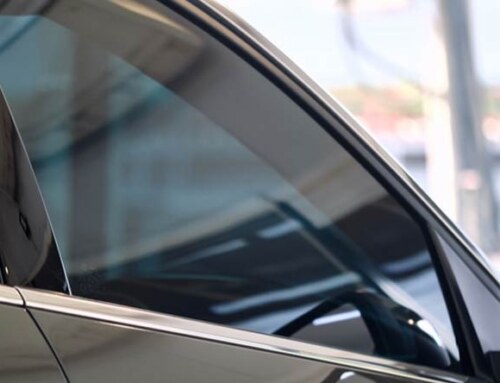

Car window tints are prevalent in Florida due to the intense sunlight and hot weather. However, regulations on how dark your windows can be tinted are strict to protect drivers and pedestrians. Knowing these regulations helps you avoid penalties and stay compliant. This article is designed to provide simple details about Florida’s car window tinting regulations, including legal guidelines, exceptions, and fines.
Why Does Florida Have Tinting Laws?
Window tinting cools cars, eliminates glare, and protects riders from hazardous UV rays. Black tints, however, conceal the items in a vehicle so that police officers can no longer see them, which is a safety risk. Florida legislation balances such benefits against the benefits of public safety.
Legal Tint Limits in Florida
Florida‘s tint law governs how much light must be permitted through car windows. It is measured as Visible Light Transmission (VLT), the percentage of light that can pass through the tint.
1. Windshield
- Tinting is allowed only on the top portion of the windshield (above the AS-1 line).
- The tint must be non-reflective.
2. Front Side Windows
- Must allow at least 28% VLT, meaning at least 28% of light must pass through.
3. Back Side Windows
- For passenger cars: Must allow at least 15% VLT.
- For SUVs, vans, and trucks: Must allow at least 6% VLT.
4. Rear Window
- For passenger cars: Must allow at least 15% VLT.
- For SUVs, vans, and trucks: Must allow at least 6% VLT.
Reflectivity Rules
- The front and back side windows cannot be more than 25% reflective.
- Highly reflective tints can cause glare for other drivers, which is why Florida restricts them.
Medical Exemptions
Some drivers may need darker tints for medical reasons, such as skin diseases or sensitivity of the eyes. Florida does exempt individuals with specific medical conditions, but they must:
- Obtain a doctor’s note stating the medical need for darker tint.
- Apply for a medical exemption certificate from the Florida Department of Highway Safety and Motor Vehicles (FLHSMV).
- Keep the certificate in the car at all times in case of a traffic stop.
Penalties for Illegal Tint
If your car windows have illegal tint, you may face:
- A fine of up to $116 per violation.
- A requirement to remove or replace the tint to meet legal standards.
- Potential issues with passing a vehicle inspection.
How to Check If Your Tint is Legal
- The majority of car shops and tint companies offer free tint checks.
- Police officers also use tint meters to measure VLT when stopping cars.
- Before tinting your windows, ensure the shop complies with Florida‘s legal regulations.
Frequently Asked Questions (FAQs)
1. Can I have a dark tint if I have a medical condition?
Yes, but you must have a medical exemption certificate issued by the FLHSMV.
2. What happens if I get pulled over for illegal tint?
You may receive a fine and be required to remove the illegal tint.
3. Are there different tint laws for SUVs and trucks?
Yes, SUVs and trucks can have darker tints on their back side windows and rear windows (as low as 6% VLT).
4. Can I use reflective or mirror-like tints?
No, Florida law prohibits tints that are more than 25% reflective.
5. How can I ensure my tint is legal?
Visit a reputable tinting shop that follows Florida’s laws and consider getting a tint inspection.
Conclusion
Awareness of Florida’s auto window tint laws keeps you within regulations and trouble-free. While tinting helps lessen heat and UV protection, stay within lawful VLT percentages to keep you safe. If darker tints are needed for medical reasons, obtain an exemption certificate. Review state legislation before your windows are tinted to bring your vehicle into compliance.