
Peel & Stick Car Specific DIY Window Tinting Kits
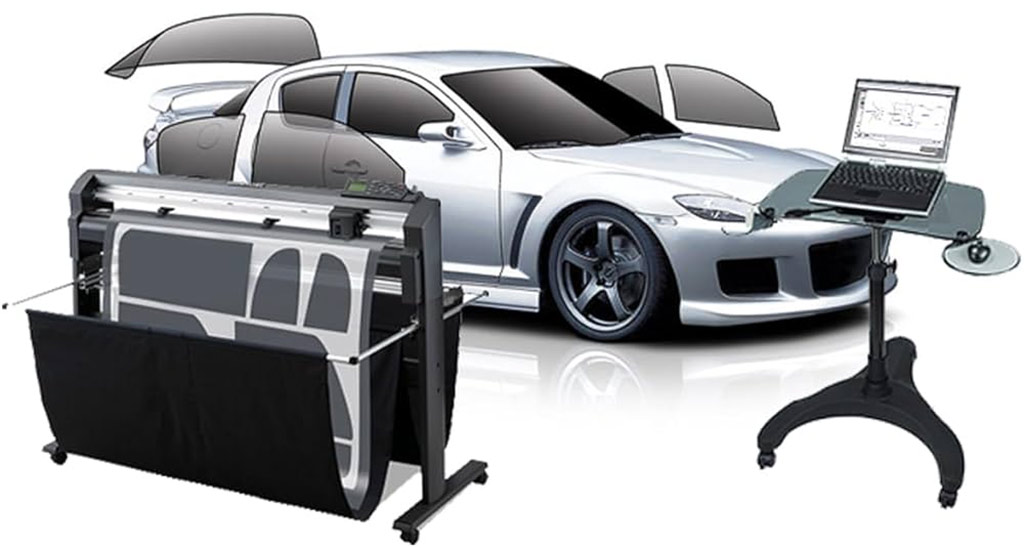
DIY window tint installation can be an inexpensive way of gaining privacy, reducing glare, and blocking out damaging UV rays from your car or home. With the right tools and techniques, not only will you be able to save money, but you will also achieve professional-looking results. Proper preparation is the key, however—getting the windows spotless, cutting accurately, and applying the film bubble- and wrinkle-free leads to a flawless finish. Choosing good quality tint films that are designed for simple application will also make things easier. Tinting your car or house windows, a step-by-step procedure will give you durable results.
DIY Peel and Stick Precut Window Tinting Kits are an excellent choice for both beginners and professionals because they offer a hassle-free installation process with precision-cut patterns for specific vehicle models. Unlike traditional roll films that must be cut manually, these kits are time-saving as they remove guesswork, thus reducing errors and wastage. Beginners love the easy application, adhesive-free feature, and bubble-resistant construction, which simplifies the application process and makes it more forgiving. For professionals, the kits are both time-saving and accurate, with faster installation and a flawless finish. Furthermore, high-quality material blocks out UV, lowers heat, and adds privacy, and they represent the intelligent, efficient choice for those looking to tint their windows like a pro.
Are DIY Window Tint Kits Worth It?
Many car owners want tinted windows for privacy, protection from the sun, and a stylish look. But professional tinting can be expensive. That’s why DIY window tint kits have become popular. These kits come with pre-cut tint films, so you don’t need to measure or cut anything. But are they worth it? Let’s find out!
What Are DIY Window Tint Kits?
DIY window tint kits are pre-cut films designed to fit specific car models. Instead of cutting the tint yourself, which can be tricky, just peel off the backing and apply it to your windows. These kits make the process easy and affordable for car owners.
Benefits of DIY Window Tint Kits
1. Easy to Apply
- Cutting tint film is the hardest part of tinting windows. With DIY kits, the films are already cut to the size of your car’s windows.
- You only need to clean the glass, peel off the backing, and apply the film.
2. Saves Money
- Professional tinting services can cost hundreds of dollars.
- DIY kits are much cheaper and allow you to tint your car at a fraction of the cost.
3. Quick Installation
- With pre-cut films, there is no need to measure and cut, making the installation much faster.
- Most people can finish the process in a couple of hours.
4. Custom Fit for Your Car
- These kits are designed for specific car models, so they fit perfectly.
- No need to worry about making mistakes while cutting the film.
5. Good for Beginners
- Even if you’ve never applied window tint before, pre-cut kits simplify the process.
- Many kits come with step-by-step instructions and tools to help.
Downsides of DIY Window Tint Kits
1. Air Bubbles and Wrinkles
- If the film is not applied correctly, air bubbles and wrinkles can appear.
- This can make the tint look unprofessional.
2. Requires Patience and Precision
- Even though the film is pre-cut, you must align it properly.
- Rushing the process can lead to poor results.
3. Not Always High-Quality Film
- Some DIY kits use lower-quality tint that may fade or peel over time.
- It’s essential to choose a kit with high-quality, long-lasting film.
4. Legal Restrictions
- Different states have different laws about how dark window tints can be.
- Before applying tint, check your local laws to avoid fines.
How to Apply a DIY Window Tint Kit
1. Clean the Windows
- Use a glass cleaner to remove dust and dirt.
- Dry the windows entirely before applying the tint.
2. Peel and Stick the Tint
- Carefully peel the backing off the pre-cut film.
- Align it with the window and stick it in place.
3. Smooth Out Air Bubbles
- Use a squeegee or a credit card to remove air bubbles and wrinkles.
- Start from the center and push toward the edges.
4. Let It Dry
- Avoid rolling down the windows for at least 48 hours.
- This helps the tint entirely stick to the glass.
Are DIY Window Tint Kits Worth It?
DIY kits are a great option if you’re looking for an affordable way to tint your car windows. They save money, are easy to install, and eliminate the most challenging part of the process—cutting. However, they require patience and a steady hand to get professional-looking results. If you’re willing to take your time and follow the instructions, a DIY window tint kit can be a worthwhile investment.
Frequently Asked Questions (FAQs)
1. How long does installing a DIY window tint kit take?
Most people can install a DIY tint kit in 1–3 hours, depending on experience and the number of tinted windows.
2. Can I remove DIY window tint if I make a mistake?
Yes, but removing tint can be tricky. A heat gun or soapy water can help peel off the film without leaving residue.
3. Are DIY window tint kits legal?
It depends on your location. Please check your local tinting laws to ensure your tint is within legal limits.
4. How long does DIY window tint last?
High-quality tints can last several years if applied correctly and maintained well.
5. What tools do I need for installation?
Most kits come with essential tools like a squeegee and a spray bottle. You may also need a sharp blade for adjustments and a heat gun to help remove bubbles.
Conclusion
DIY window tint kits are cost-effective for tinting your car’s windows without professional help. Since they come pre-cut, they take the most challenging part out of the process—cutting. While they require patience and precision, they can provide excellent results if applied carefully. If you’re looking for an easy and affordable way to tint your car, a DIY window tint kit is worth considering!