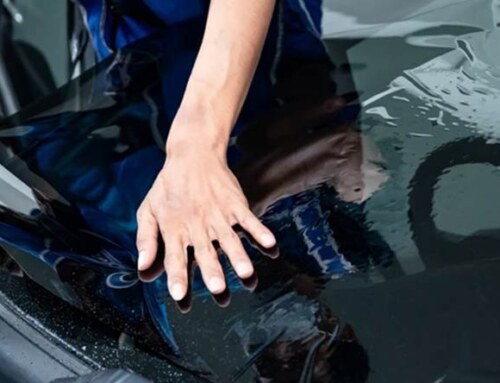

Window tinting is a popular way of improving comfort, privacy, and energy efficiency in homes, offices, and vehicles. It involves applying a thin layer to glass surfaces to screen sunlight, reduce glare, and offer protection. This article explains how window tinting works, the types of tints, and their benefits.
What is Window Tinting?
Window tinting involves applying a transparent or colored film to glass windows. Polyester films can include special coatings that prevent UV rays from entering, control heat, and provide privacy. Depending on the type of tint, they can darken windows or make them reflective.
How Window Tinting Works
Window tinting functions by controlling the transmission of light and heat through glass. This is how it works:
1. Sunlight and UV Ray Blocking
Most window tints are designed to block harmful sun ultraviolet (UV) rays. Good-quality films can block up to 99% of UV rays, protecting skin and preventing the fading of furniture and interiors.
2. Heat Reduction
Tinted movies contain substances that absorb or reflect heat, chilling indoor spaces. This reduces the energy required for air conditioning, thereby decreasing costs.
3. Reduction of Glare
By reducing the intensity of the sun, window tints eliminate glare on computer screens, televisions, and windshield glass, allowing one to see and work comfortably.
4. Enhanced Privacy
There are reflective and dark window films, which make it difficult for outsiders to see what is happening within, but easy for those inside to see the outside.
5. Improving Security
Security window films secure glass to render it more difficult to break. When impacted, the film retains broken glass intact, reducing the possibility of injury and burglaries.
Types of Window Tint Films
There are different types of window tinting films, each serving a specific purpose.
1. Dyed Window Film
- Made up of layers of sun-absorbing dye.
- Heat-reducing but low in UV protection.
- Provides a darker appearance for privacy.
- Affordable but will fade over time.
2. Metalized Window Film
- Contains tiny metallic particles that reflect light.
- Durable and stiff, with improved heat reduction.
- Can interfere with electronic signals like radio and GPS.
3. Carbon Window Film
- Contains carbon particles that block infrared light.
- Dissipates heat without interfering with electronic signals.
- Offers a thin, black appearance and excellent durability.
4. Ceramic Window Film
- Uses ceramic particles that protect from UV and heat.
- Does not contain any metals, so it will not affect electronic devices.
- Provides the superior quality in terms of durability, heat reflection, and clarity.
5. Security Window Film
- Designed to preserve glass in an intact state even during breakage.
- Provides additional protection from accidents and theft.
- Available in different thickness levels for added strength.
Benefits of Window Tinting
1. Energy Efficiency
Window tinting helps maintain a stable indoor temperature by reducing heat in the summer and retaining warmth in the winter, lowering energy costs.
2. UV Protection
Window tints block harmful UV rays, helping to prevent skin damage and protect furniture, carpets, and electronics from fading.
3. Improved Privacy
Reflective and dark window tints provide privacy by limiting visibility from outside.
4. Enhanced Security
Security films strengthen glass, making it harder to break, which deters thieves and adds safety during accidents.
5. Aesthetic Appeal
Tinted windows give vehicles and buildings a sleek, modern look, improving overall aesthetics.
Window Tinting Process
Installing window tint requires careful application to ensure a smooth finish without bubbles or peeling.
Step 1: Cleaning the Glass
Before applying the tint film, the window surface must be cleaned to remove dust and dirt.
Step 2: Cutting the Film
The tint film is measured and cut to fit the specific size of the window.
Step 3: Applying the Film
The adhesive side of the film is carefully placed onto the glass and smoothed out using a squeegee to remove air bubbles.
Step 4: Drying and Curing
The film takes a few days to fully adhere and dry, after which it becomes more durable.
Maintenance and Care
Proper maintenance ensures that window tints last long and remain effective.
- Wash tinted windows using a mild soap and a soft cloth to prevent scratches.
- Avoid ammonia-based cleaners, which are damaging to the film.
- Do not roll down tinted car windows at least 48 hours after they have been installed.
Frequently Asked Questions (FAQs)
1. How durable is window tinting?
High-quality window tints will last 10–15 years, depending on the type and maintenance.
2. Is window tinting legal?
Window tinting laws vary by region. Always consult with local authorities to determine compliance.
3. Can window tint be taken off?
Window tint can be removed using heat and chemicals formulated explicitly without damaging the glass.
4. Does window tint impair nighttime visibility?
Darker tints can reduce visibility at night, so it’s essential to choose the right level of darkness for your needs.
5. How long does it take to install window tint?
The installation process usually takes 1–3 hours per vehicle or window, depending on the complexity.
Conclusion
Window tinting is a highly effective method of enhancing comfort, privacy, and security for residential, commercial, and automotive properties. Understanding how it works and choosing the right type of film can help you benefit from its many uses. Whether for energy efficiency, protection, or style, window tinting is a good investment for any property.