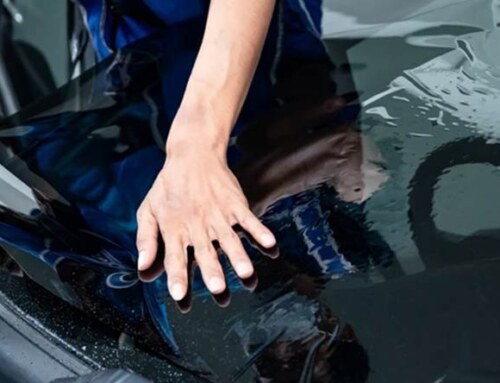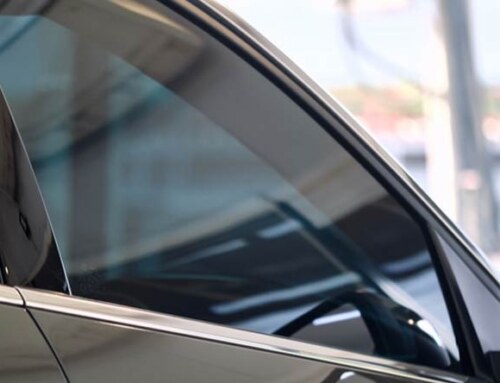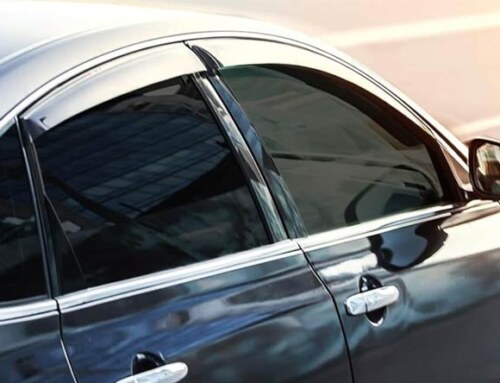

Window tinting is an excellent way to enhance your car’s appearance, comfort, and privacy. However, choosing the right tint may be difficult, with several options available. The best window tint depends on legal factors, material, and personal taste. This guide will help you understand the different car window tints, their benefits, and how to choose the best window tint for your car.
Why Tint Your Car Windows?
Window tinting offers several benefits for car owners. Here are some of the most important reasons to tint your car windows:
1. Reduces Heat and Saves Energy
Tinted windows prevent the sun from entering, which keeps your car cooler and reduces air conditioner usage. This helps enhance fuel efficiency and provides additional comfort during hot weather.
2. Blocks Harmful UV Rays
Sun’s ultraviolet (UV) rays hurt your car interior and skin. An excellent window tint keeps up to 99% of harmful UV rays, protecting passengers and the car interiors.
3. Enhances Privacy and Security
Dark window tints prevent individuals from seeing what’s inside your car. This enhances privacy and thwarts theft as valuable objects are not exposed.
4. Reduces Glare
Sun glare can become uncomfortable and even dangerous while driving. Window tinting minimizes sun glare and headlight glare, improving visibility and safety.
5. Improves Car Aesthetics
Tinted windows give your car a sleek and stylish appearance, imparting an overall look.
Types of Car Window Tint
Several types of window tint materials are available, each with advantages and disadvantages. Here are the most common options:
1. Dyed Window Tint
- Low cost and widely applied
- Successful at reducing glare and heat
- Will fade over time
- Does not offer as much protection from the sun’s UV rays as others
2. Metalized Window Tint
- Contains tiny metallic particles that reflect heat
- Strong and scratch-resistant
- Provides good UV protection
- May interfere with GPS, radio, and cell phone signals
3. Carbon Window Tint
- Provides superior UV and heat protection
- Does not fade over time
- Matte finish gives a sleek appearance
- More expensive than dyed and metalized tints
4. Ceramic Window Tint
- Highest quality tint available
- Blocks heat and UV rays without affecting visibility
- Non-metallic, so it won’t interfere with electronics
- Most expensive option
5. Hybrid Window Tint
- Combination of dyed and metalized film
- Balances cost, durability, and effectiveness
- Less reflective than metalized tint
Choosing the Right Tint Shade
Window tints come in different shades, measured regarding Visible Light Transmission (VLT). The lower the VLT percentage, the darker the tint.
Common Tint Levels
- 50% Tint: Light tint that reduces glare but maintains visibility.
- 35% Tint: A balance of privacy and visibility, commonly used on front windows.
- 20% Tint: Darker shade that offers increased privacy, often used on rear windows.
- 5% Tint (Limo Tint): Extremely dark and mainly used for privacy; may not be legal in some areas.
Legal Considerations
Every state or country has specific laws regarding car window tinting. Before choosing a tint, check the local regulations for:
- Legal VLT limits for each window
- Restrictions on reflective or colored tints
- Medical exemptions for darker tints
- Fines or penalties for illegal tinting
How to Choose the Best Window Tint for Your Car
When selecting a window tint, consider the following factors:
1. Climate and Weather
If you live in a hot climate, choose a high-quality ceramic or carbon tint that effectively blocks heat. In colder areas, a lighter shade may be sufficient.
2. Privacy Needs
If privacy is a priority, opt for a darker tint (20% or lower). However, ensure it complies with local laws.
3. UV and Heat Protection
For maximum protection against UV rays and heat, go for ceramic or carbon tint, which provides superior performance.
4. Budget
Dyed tints are the most affordable, but they fade over time. Ceramic tints cost more but last longer and offer the best protection.
5. Impact on Electronics
Avoid metalized tints if you rely on GPS, cell phones, or keyless entry systems, as they can interfere with signals.
Installation and Maintenance
Professional vs. DIY Installation
- Professional Installation: Ensures proper application, longer lifespan, and warranty protection.
- DIY Installation: More affordable but challenging, leading to bubbles and peeling if not done correctly.
Maintenance Tips
- Wait at least 48 hours before rolling down windows after installation.
- Clean with a soft cloth and ammonia-free cleaner.
- Avoid using sharp objects that may scratch the film.
Frequently Asked Questions (FAQs)
1. How long does car window tint last?
The lifespan of window tint depends on the material and quality. Dyed tints last 3–5 years, while ceramic and carbon tints can last over 10 years.
2. Can I wash my car after tinting the windows?
But please wait a few days to make sure the tint thoroughly dries before washing your car.
3. Does window tinting affect visibility at night?
Darker tints can make it harder to see at night. If you drive often in low-light conditions, choose a lighter shade.
4. Is it legal to have dark tints on my car?
Each state or country has different rules regarding dark tints. Always check local regulations before choosing a tint.
5. Can window tint be removed?
Yes, a heat gun and soapy water can remove the window tint. However, professional removal is recommended to avoid damage to the windows.
Conclusion
Choosing the right window tint for your car depends on considerations like tint material, shade, budget, and state law. While dyed tints are cheap, ceramic and carbon tints are more durable and offer better protection. Always check laws before installing window tint to avoid fines. Quality tinting provides comfort, privacy, and a good appearance for your car. Buy your car’s best window tint products from online stores like Amazon.